Welcome to
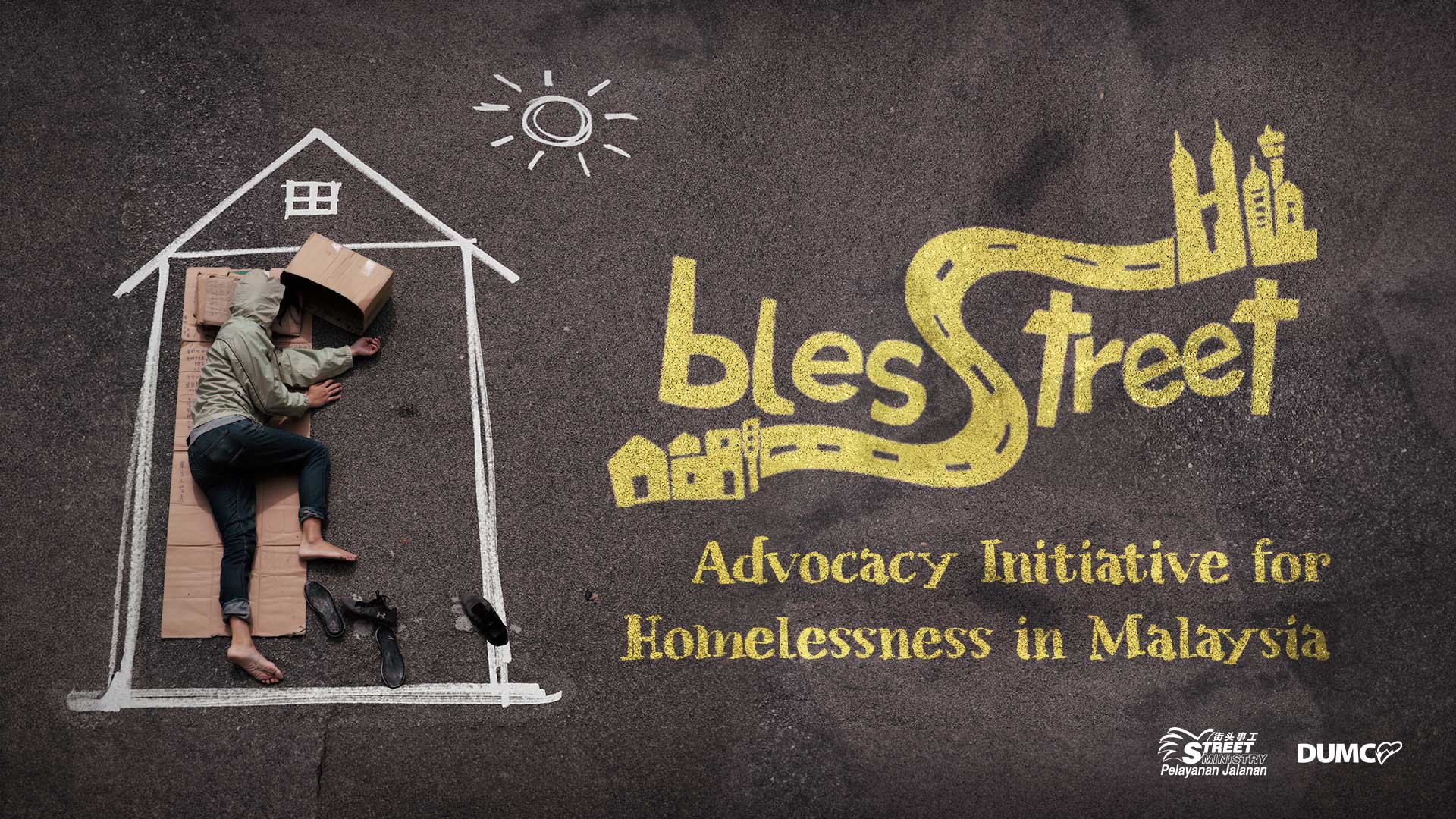
BlesStreet Walk
Step into an interactive, visual journey designed to deepen your understanding of homelessness in Malaysia..
You are invited to pause and reflect on the stories and challenges faced by the homeless in Klang Valley. Each station is designed to help you better visualize their struggles; do engage with the photos, videos, and props provided.
Thank you for connecting to the audio / online experience. We in DUMC are so delighted to host you today.
欢迎来到
街头祝福 行
踏入互动视觉之旅,旨在加深您对马来西亚无家可归现象的了解。
邀请你停下来思考一下巴生谷无家可归者所面临的故事和挑战。 每个站的设计都是为了帮助你更好地想象他们的挣扎;请务必参与所提供的照片、视频和道具。
DUMC大家庭很荣幸今天能够接待你。谢谢你的参与和点击这音频/在线体验。
Before you enter:
- Open your heart and mind to the realities of homelessness.
- Use this opportunity to discover and learn how you can make a difference.
May compassion guide you as you explore and understand the lives of those without a home.
Take Note: We kindly request that you exercise discretion when sharing content from this exhibition on social media. Respect and privacy for the individuals featured is greatly appreciated.
在你开始前:
- 打开你的心扉,面对无家可归的现实。
- 利用这个机会来发现并了解如何做出改变。
当你探索和了解无家可归者的生活时,愿同情心引导你。
请注意:我们恳请你在社交媒体上分享本次展览的内容时谨慎行事。非常感谢对人物的尊重和隐私。
Section 1
The Heartbreaking Reality of Homelessness in Malaysia
马来西亚无家可归的令人心碎的现实
English:
中文:
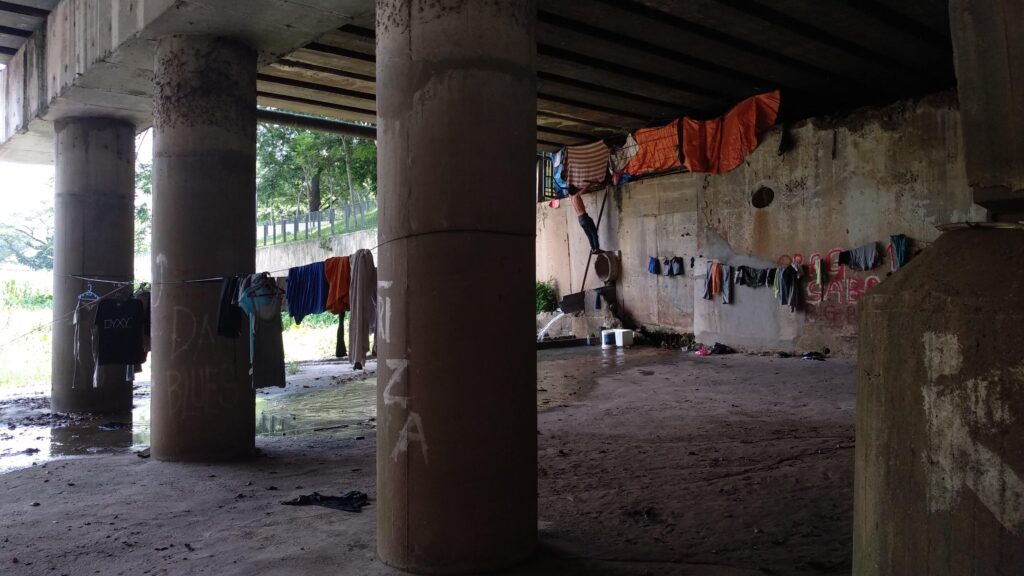
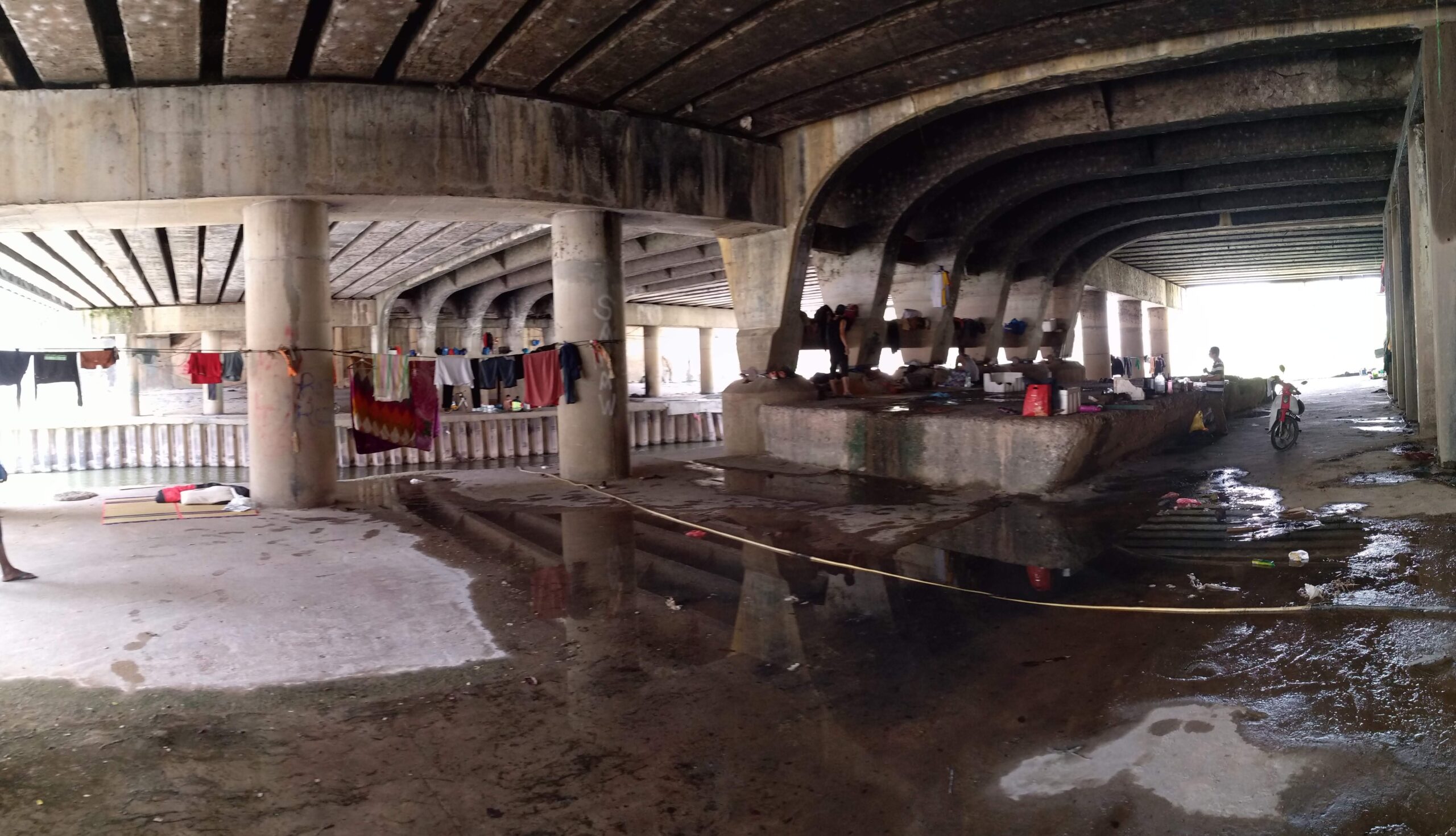
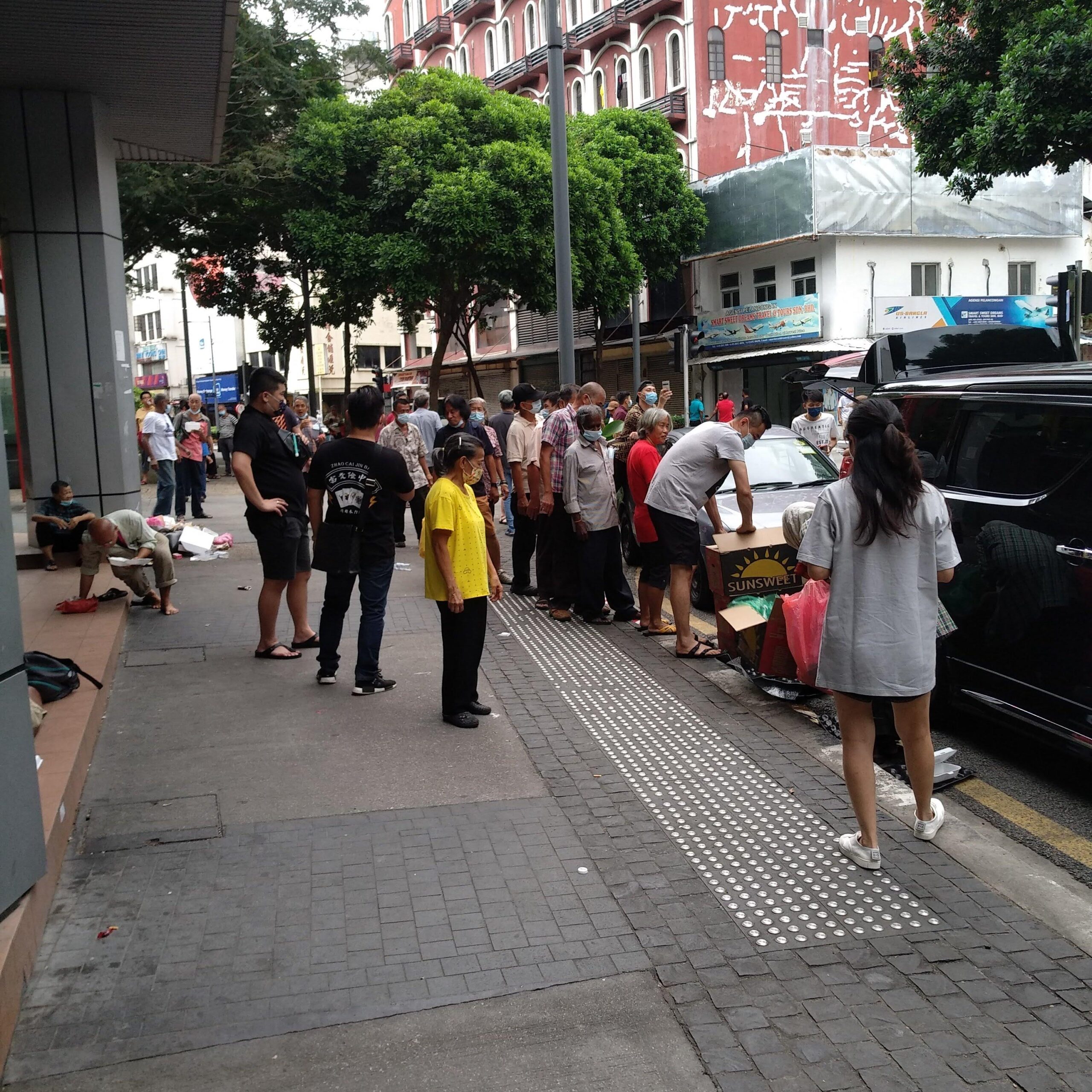
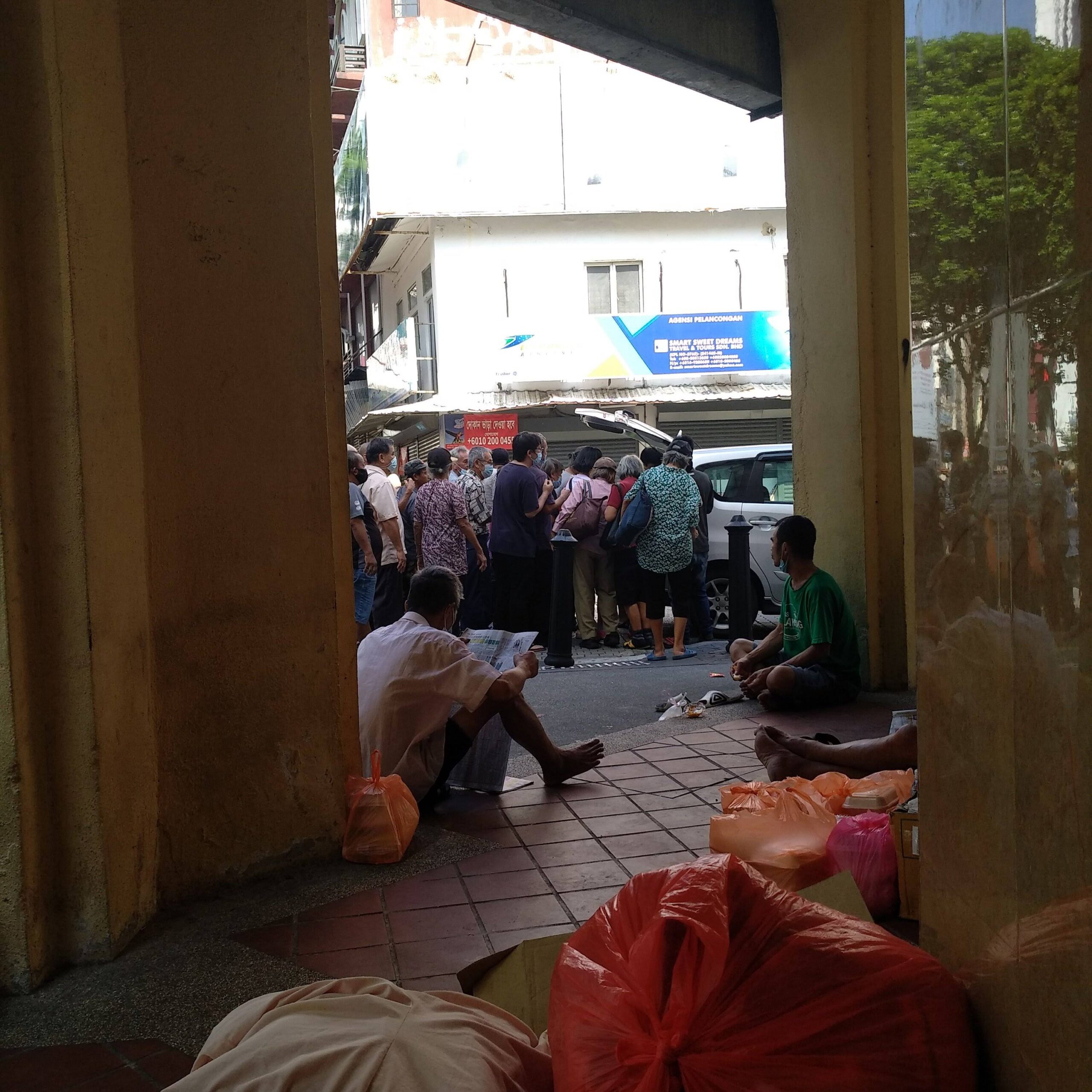
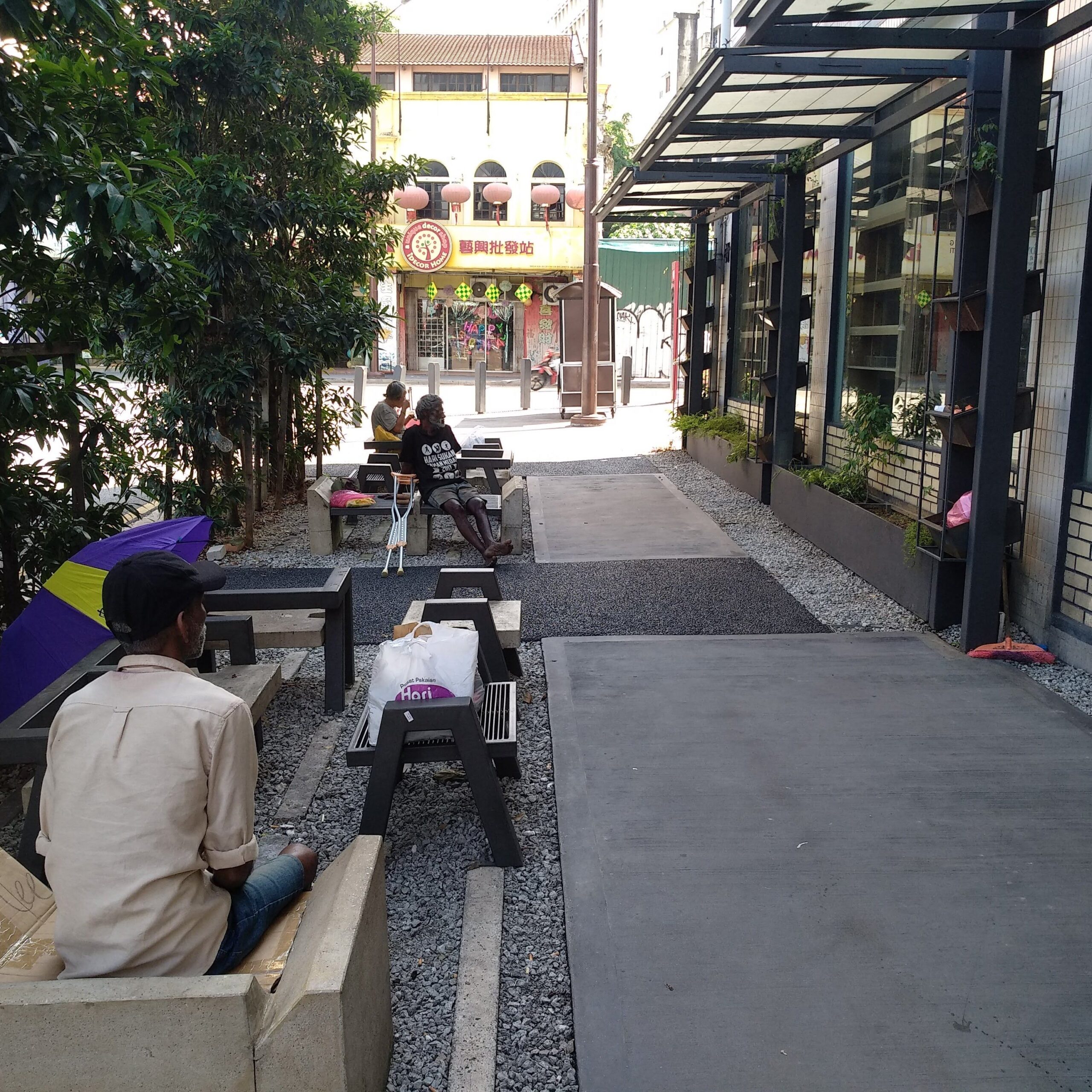
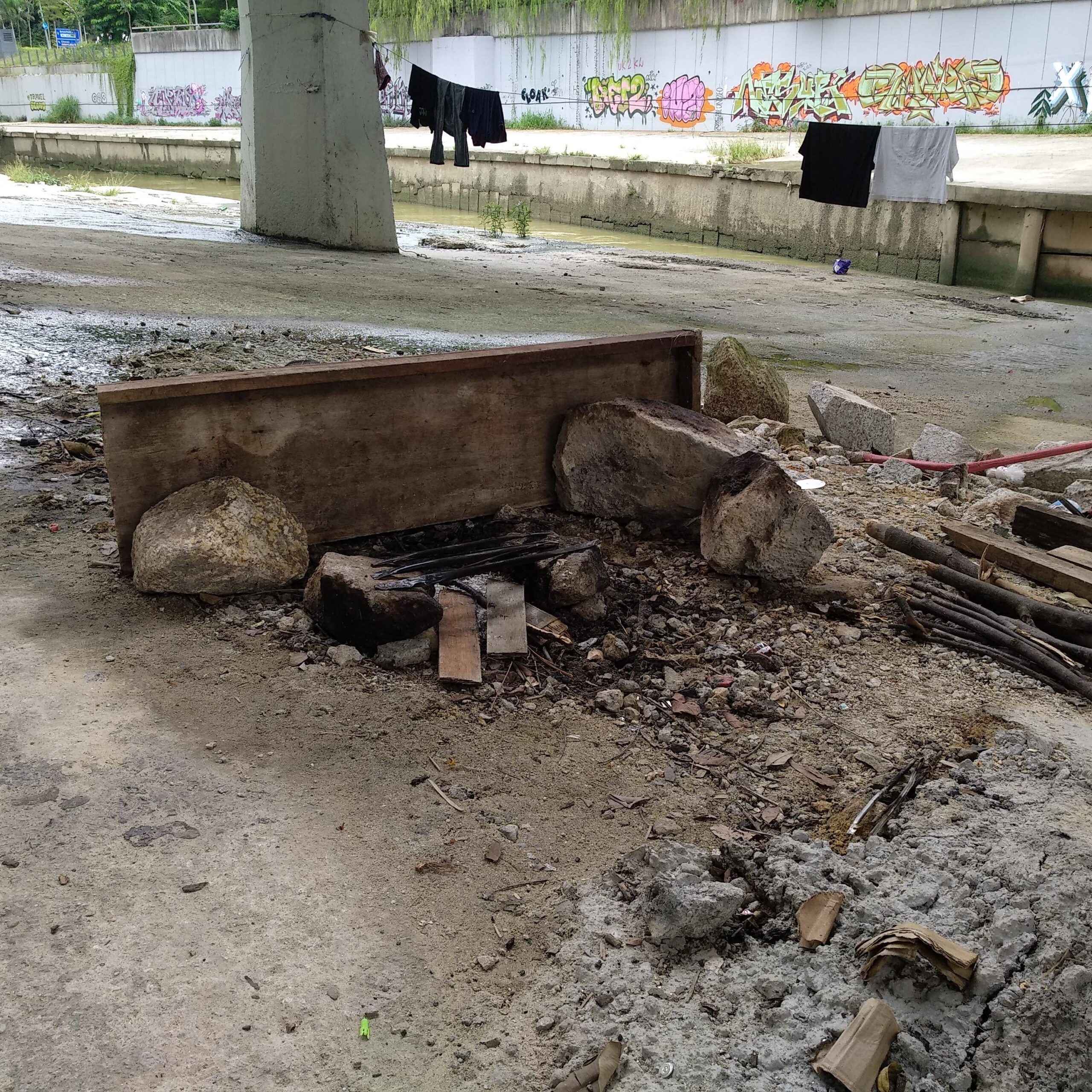
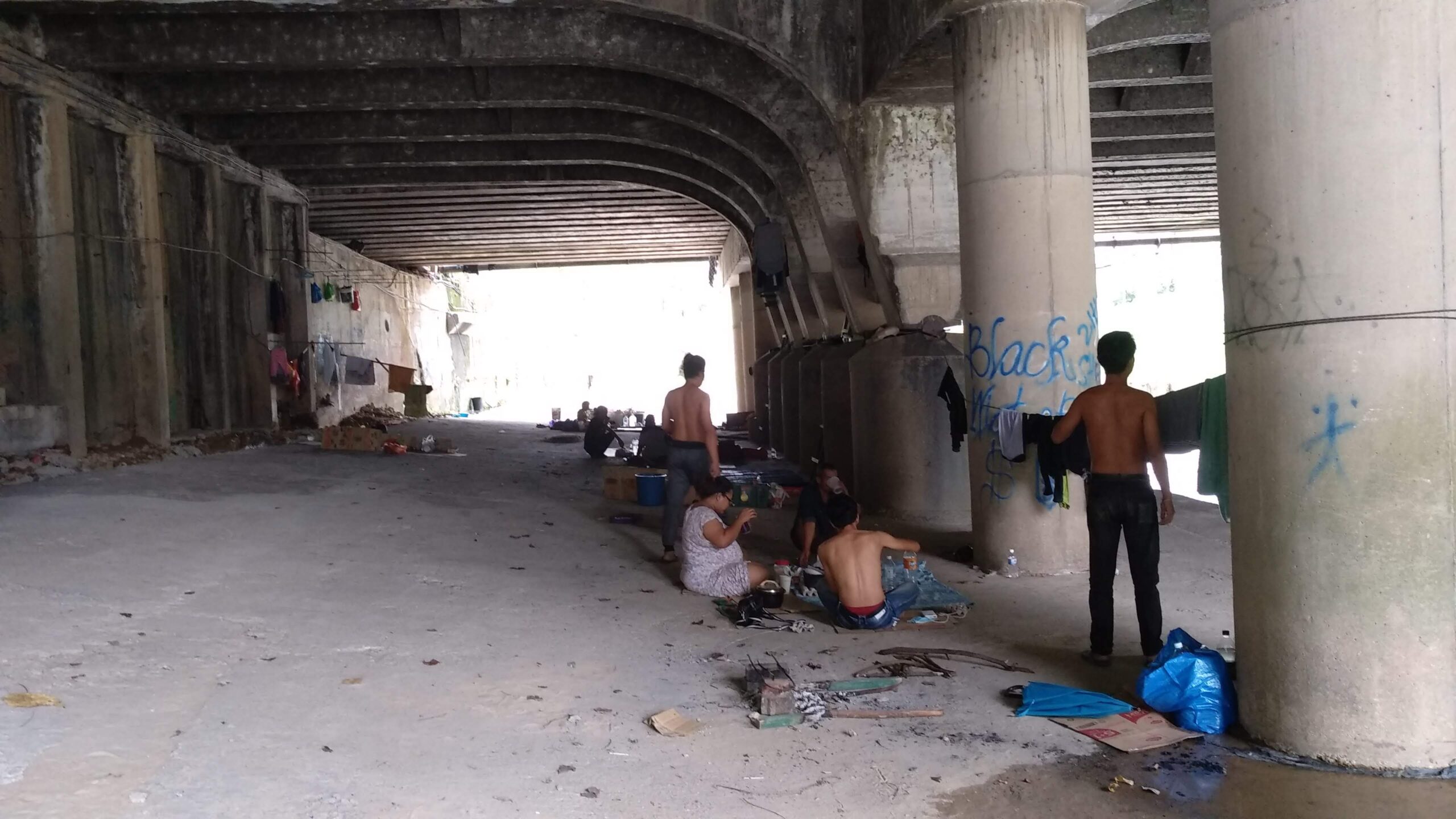
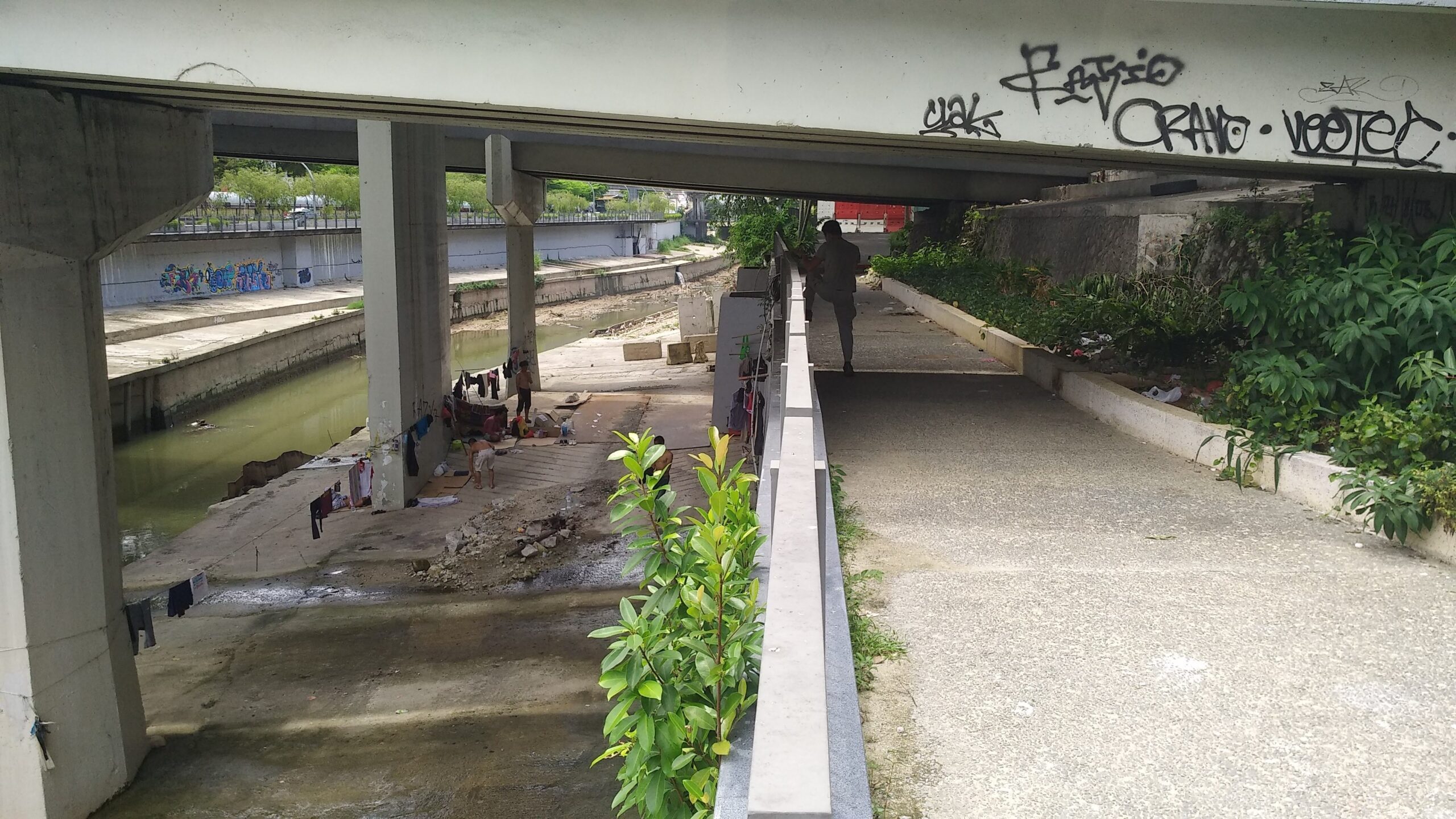
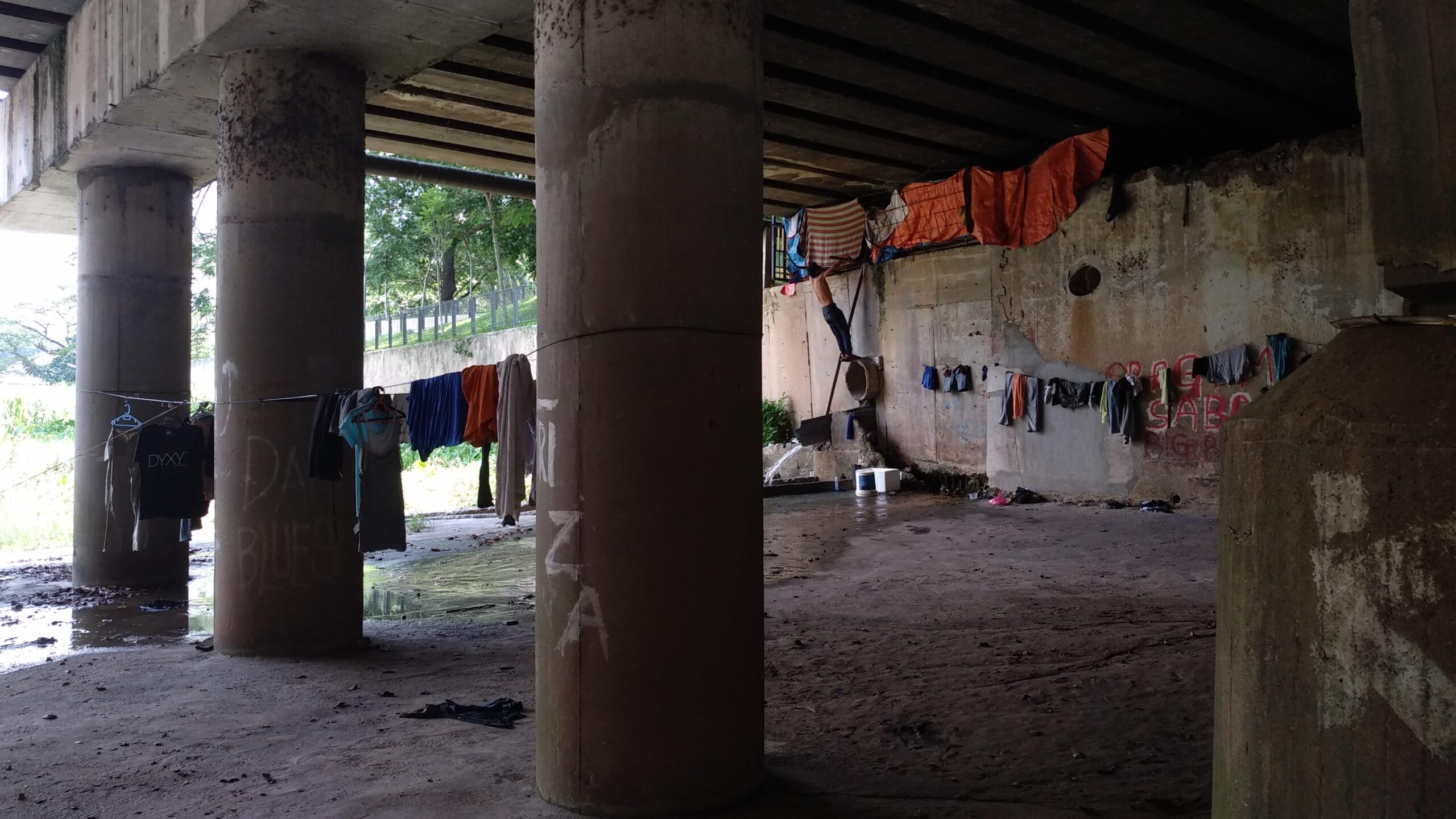
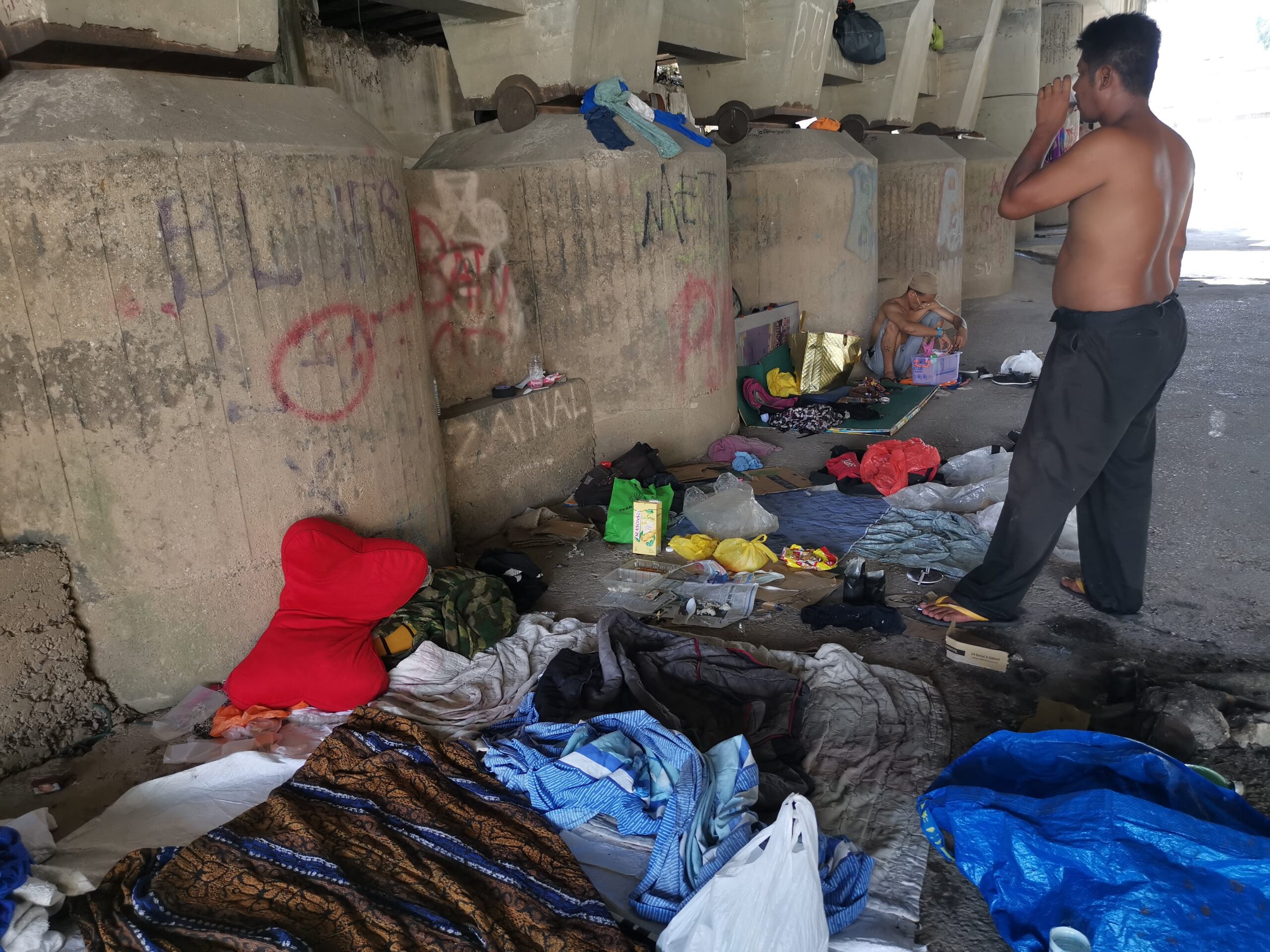
In some bustling streets of Kuala Lumpur, hidden beneath the glittering skyscrapers and vibrant marketplaces, lies a stark contrast that many of us often overlook. This is the harsh reality of homelessness, an issue that is as pervasive as it is heart-breaking. As the sun sets and the city’s lights begin to twinkle, the homeless emerge from the shadows, seeking refuge on park benches, under bridges, and in the corners of public buildings. Their presence is a silent testament to a societal breakdown somewhat, one that leaves countless individuals and families without a typical place to call home.
Homelessness in Malaysia is not just a statistic; it is a human tragedy. Each person without a home has a story, a past, and dreams that have been shattered by circumstances beyond their control. Many of the homeless in Malaysia are the unintended victims of economic hardships, unemployment, and the high cost of living. Some have lost their jobs due to the economic downturn, while others are unable to afford even the most basic housing due to skyrocketing property prices. Yet, there are those who have simply made some bad life decisions with no recourse.
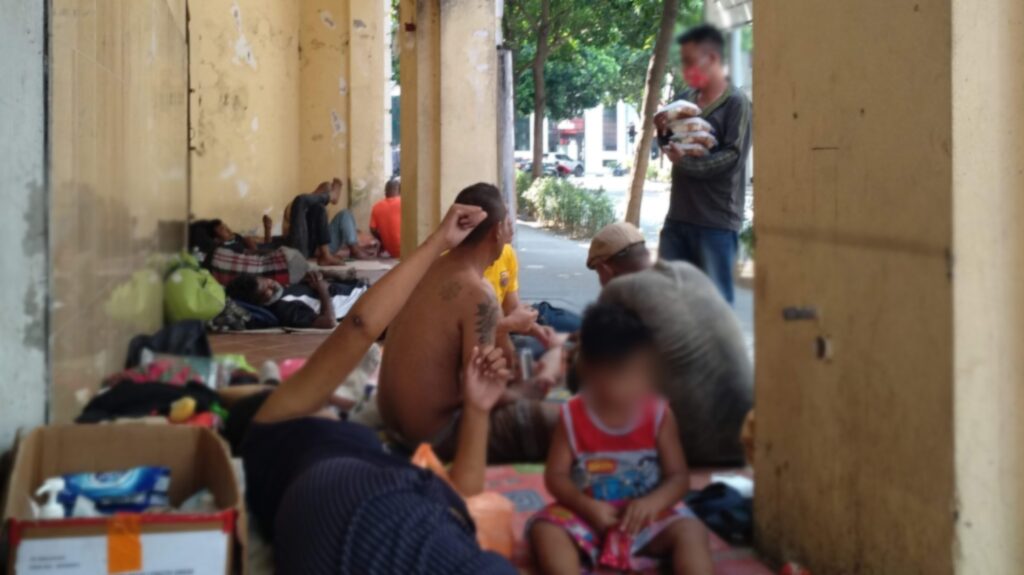
Walking through the streets of Kuala Lumpur, one can see the faces of homelessness in all their stark reality. There are the elderly, frail and tired, who have been abandoned by their families. They sit quietly, often with a small bundle of their worldly belongings beside them, their eyes reflecting a lifetime of struggle. There are young mothers, cradling their infants, desperately trying to shield them from the elements and the dangers of the streets. Their faces are etched with worry, their eyes constantly scanning for threats. In contrast, some are eager opportunists who will latch on to any ‘good finds’ for the day. And then there are the children, innocent and bewildered, trying to make sense of a world that seems so indifferent to their plight.The impact of homelessness on these individuals is profound. Without a stable home, they face numerous challenges, including lack of access to healthcare, education, and employment opportunities. Many suffer from physical ailments, exacerbated by poor living conditions and lack of proper nutrition. Mental health issues are also rampant, with depression and anxiety being common among the homeless population. The constant stress of survival takes a toll, pushing many to the brink of despair.
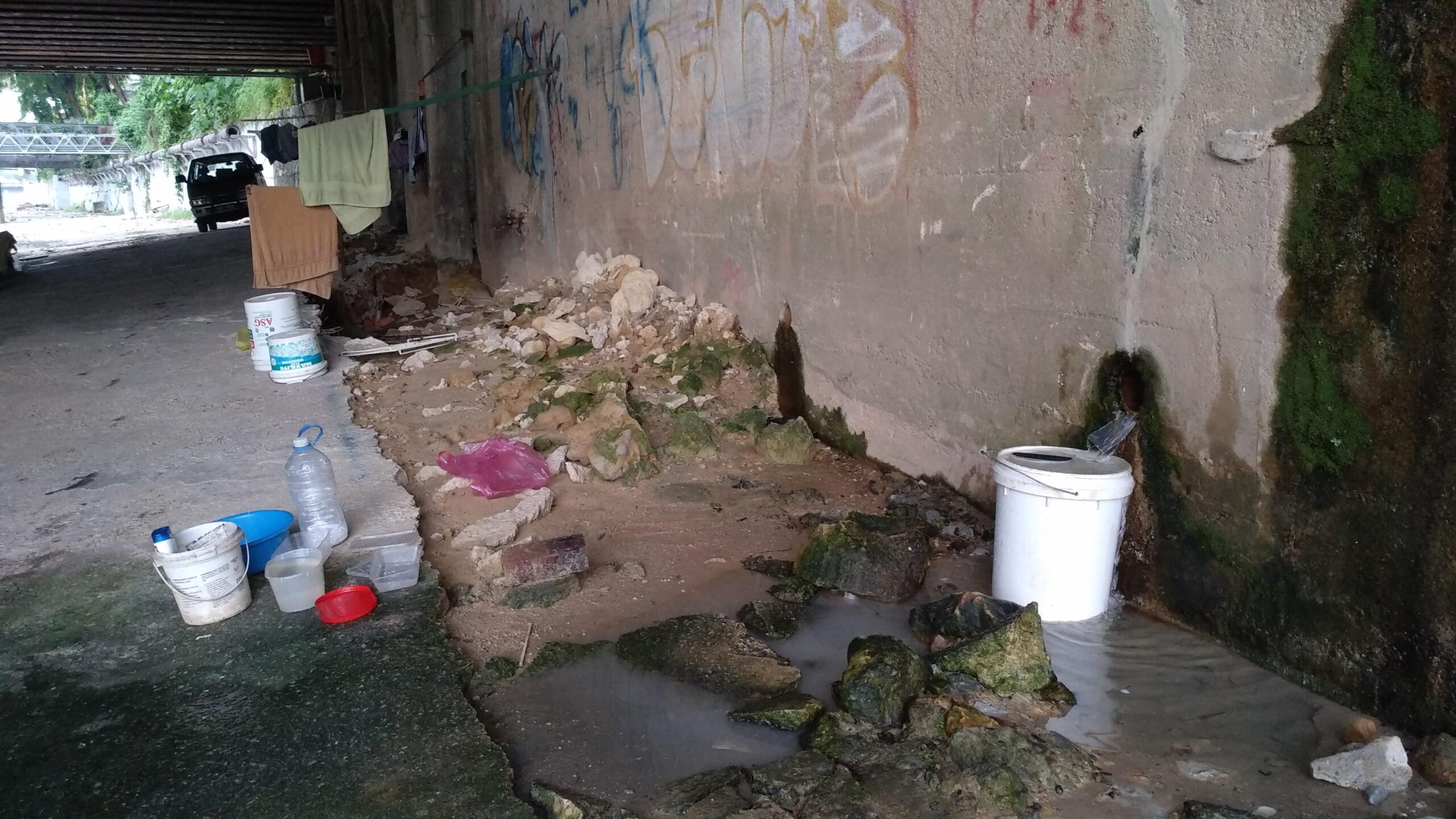
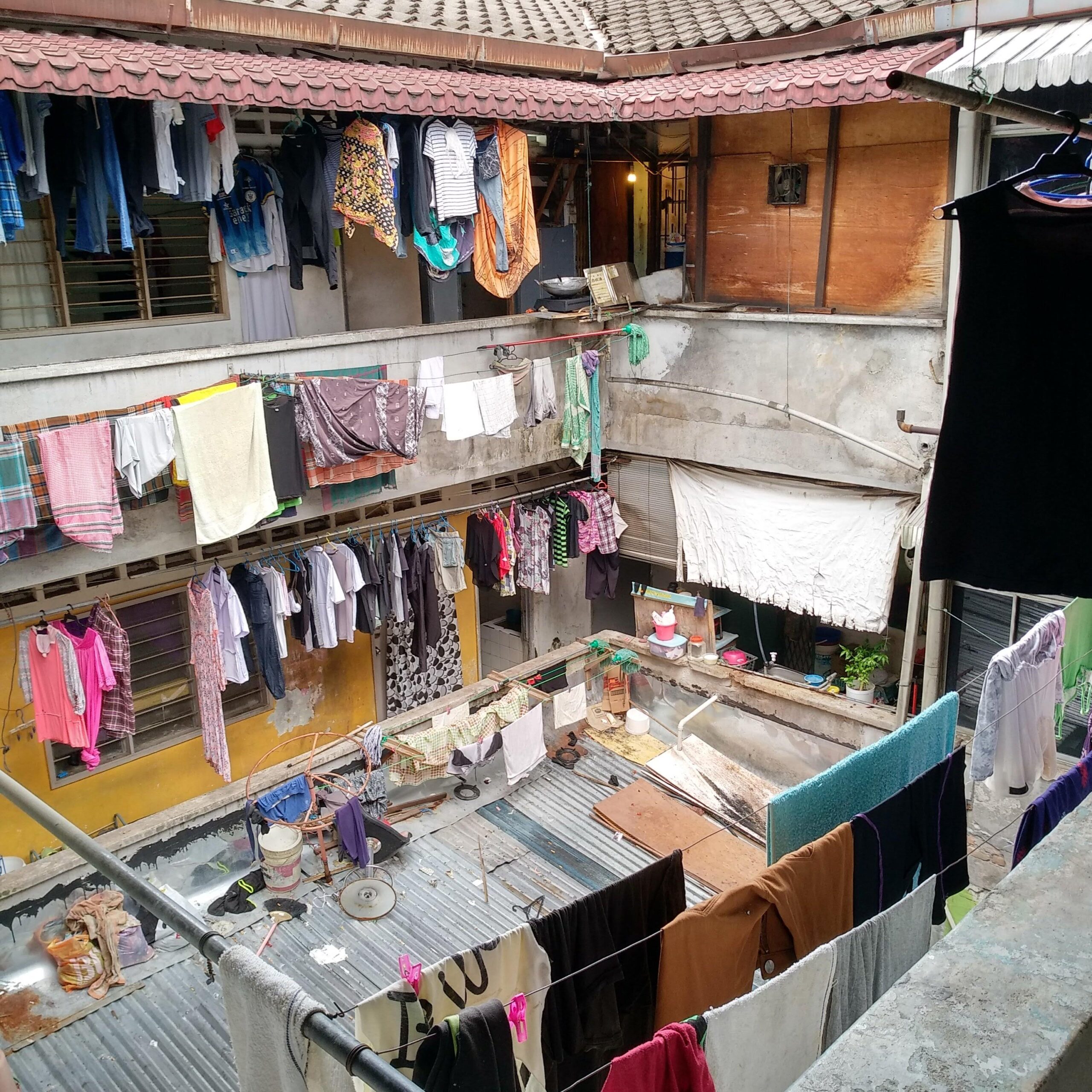
As night falls, the city’s homeless seek out places to sleep, often in dangerous and unsanitary conditions. They huddle under overpasses, in abandoned buildings, or in makeshift shelters made from cardboard and plastic. These precarious sleeping arrangements leave them vulnerable to theft, assault, and the elements. The monsoon rains, in particular, bring misery, soaking their bedding and leaving them exposed to the cold and damp.
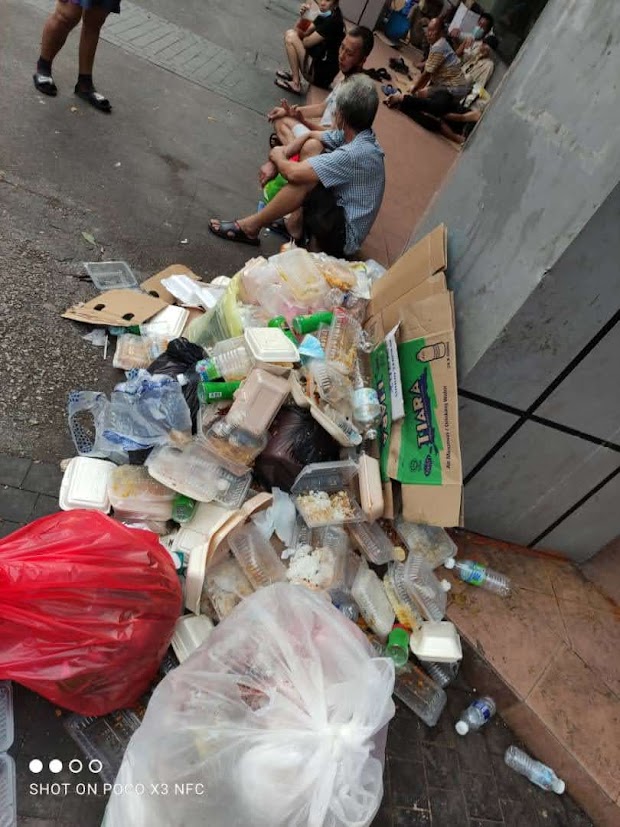
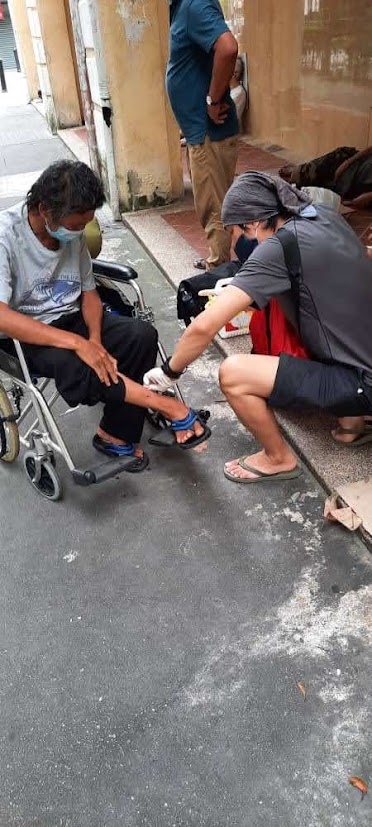
Despite these dire conditions, there are glimmers of hope. Various non-governmental organizations (NGOs) and charitable groups work tirelessly to provide aid to the homeless. They offer food, clothing, and medical assistance, striving to alleviate the suffering of those on the streets. Whilst well-meaning soup kitchens and food distribution programs ensure that the homeless have at least one meal periodically, disorganised distribution can lead to significant food waste. Without proper coordination, surplus food often goes uneaten and ends up discarded. This not only squanders precious resources but also fails to address the real hunger needs of the homeless. There are also mobile clinics which provide essential healthcare services. These efforts, however, are not enough to solve the problem. They provide temporary relief but do not address the root causes of homelessness.
The Malaysian government has also taken steps to tackle homelessness, implementing programs aimed at providing affordable housing and job opportunities. However, these initiatives often fall short due to bureaucratic inefficiencies and lack of funding. More needs to be done to create a comprehensive support system that addresses both the immediate needs of the homeless and the underlying issues that lead to homelessness.
Public awareness and empathy play crucial roles in addressing this issue. Many people view the homeless with disdain or indifference, failing to recognize the humanity behind the faces they see on the streets. It is essential to change this perception and foster a society that cares for its most vulnerable members. Compassion and understanding can drive meaningful action, encouraging more individuals and organizations to get involved in helping the homeless.
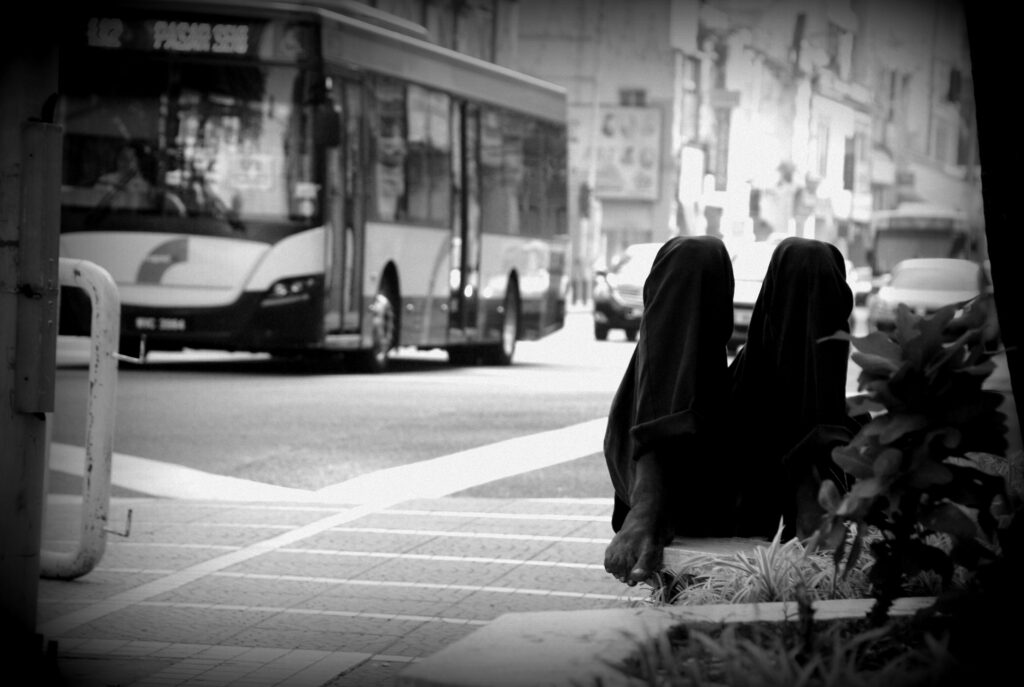
The plight of the homeless is a harsh reality that often goes unnoticed. Having a house does not necessarily mean having a home. For the homeless, a “home” could be at the corner of a five-foot way on the pavement, or better yet, a used, tattered reclining chair on the streets, a place they return to after wandering all day. This chair, battered by the elements and time, offers a semblance of stability in an otherwise unstable existence. It stands as a stark reminder that, for some, the concept of home is reduced to whatever they can find to rest their weary bodies. The homeless face a daily struggle for survival, navigating the streets in search of safety, food, and shelter, while society moves on around them, often oblivious to their plight.
In conclusion, homelessness in Malaysia is a pressing issue that demands urgent attention. It is a complex problem that requires a multifaceted approach, involving government action, community support, and individual empathy. As we go about our daily lives, it is crucial to remember that behind the statistics are real people, each with their own story of hardship and hope. By working together, we can create a society where no one is left without a home, a society that values and cares for all its members. The sight of a homeless person should not evoke discomfort or indifference but rather a call to action to build a more inclusive and compassionate Malaysia.
在吉隆坡一些繁华的街道上,隐藏在闪闪发光的摩天大楼和充满活力的市场之下,存在着我们许多人经常忽视的鲜明对比。这就是无家可归的残酷现实,这是一个普遍存在且令人心碎的问题。当太阳落山,城市的灯光开始闪烁时,无家可归者从阴影中出现,在公园的长椅上、桥下和公共建筑的角落里寻求庇护。他们的存在无声地证明了社会的崩溃,导致无数个人和家庭失去了一个典型的家。
马来西亚的无家可归现象不仅仅是一个统计数字;更是一场人类悲剧。每个无家可归的人都有自己的故事、过去和梦想,但这些都被无法控制的环境击碎。马来西亚的许多无家可归者是经济困难、失业和高生活成本的意外受害者。一些人因经济衰退而失业,另一些人则因房价飞涨而买不起最基本的住房。 然而,有些人只是做出了一些错误的人生决定而没有追索权。
走在吉隆坡的街道上,人们可以看到无家可归的残酷现实。还有年老体弱、疲惫不堪的人,他们被家人抛弃了。他们安静地坐着,旁边常常放着一小包世俗物品,他们的眼睛反映出一生的奋斗。年轻的母亲们抱着自己的婴儿,拼命保护他们免受恶劣天气和街道上的危险的影响。他们的脸上写满了担忧,他们的眼睛不断地观察着威胁。相比之下,有些人是热切的机会主义者,他们会抓住当天的任何“好发现”。然后是孩子们,天真而困惑,试图理解这个似乎对他们的困境如此冷漠的世界。
无家可归对这些人的影响是深远的。没有稳定的家庭,他们面临着许多挑战,包括缺乏医疗保健、教育和就业机会。许多人患有身体疾病,而恶劣的生活条件和缺乏适当的营养又加剧了这种疾病。心理健康问题也很严重,无家可归者中抑郁和焦虑很常见。持续的生存压力造成了损失,将许多人推向绝望的边缘。
夜幕降临,这座城市的无家可归者寻找睡觉的地方,而这些地方往往是在危险和不卫生的条件下。他们挤在立交桥下、废弃的建筑物中或用纸板和塑料制成的临时避难所中。这些不稳定的睡眠安排使他们容易遭受盗窃、袭击和自然灾害。尤其是季风雨,给他们带来痛苦,他们的被褥被浸湿,暴露在寒冷和潮湿的环境中。
尽管条件严峻,但仍有一线希望。各种非政府组织(NGO)和慈善团体不懈努力,为无家可归者提供援助。他们提供食物、衣物和医疗援助,努力减轻街头民众的痛苦。虽然善意的施食处和食品分配计划确保无家可归者定期至少吃一顿饭,但无组织的分配可能会导致严重的食物浪费。 如果没有适当的协调,多余的食物往往会被吃掉并最终被丢弃。 这不仅浪费了宝贵的资源,也无法解决无家可归者真正的饥饿需求。 还有流动诊所提供基本的医疗保健服务。然而,这些努力还不足以解决问题。它们提供了暂时的缓解,但没有解决无家可归的根本原因。
马来西亚政府还采取措施解决无家可归问题,实施旨在提供经济适用住房和就业机会的计划。然而,由于官僚机构效率低下和缺乏资金,这些举措往往无法实现。需要做更多的工作来创建一个全面的支持系统,既解决无家可归者的直接需求,又解决导致无家可归的根本问题。
公众意识和同理心在解决这一问题方面发挥着至关重要的作用。许多人以轻蔑或冷漠的态度看待无家可归者,没有意识到他们在街上看到的面孔背后的人性。必须改变这种看法并建立一个关心最弱势成员的社会。同情心和理解可以推动有意义的行动,鼓励更多的个人和组织参与帮助无家可归者。
无家可归者的困境是一个经常被忽视的残酷现实。有房子并不一定意味着有家。对于无家可归者来说,“家”可能是人行道上五英尺长的拐角处,或者更好的是,街上一张用过的、破烂的躺椅,是他们流浪一整天后返回的地方。这把椅子饱经风雨和时间的摧残,却在不稳定的存在中提供了表面上的稳定性。它清楚地提醒我们,对于一些人来说,家的概念已经被简化为他们能找到的任何可以让疲惫的身体得到休息的地方。无家可归者每天都面临着生存的挣扎,他们在街上寻找安全、食物和住所,而社会在他们周围继续前进,往往忽视了他们的困境。
总之,马来西亚的无家可归问题是一个迫切需要关注的问题。这是一个复杂的问题,需要采取多方面的方法,包括政府行动、社区支持和个人同理心。在我们的日常生活中,重要的是要记住,统计数据背后是真实的人,每个人都有自己的困难和希望的故事。通过共同努力,我们可以创建一个没有人失去家园的社会,一个重视和关心所有成员的社会。看到无家可归者不应引起不适或冷漠,而应呼吁采取行动,建设一个更加包容和富有同情心的马来西亚。
Section 2
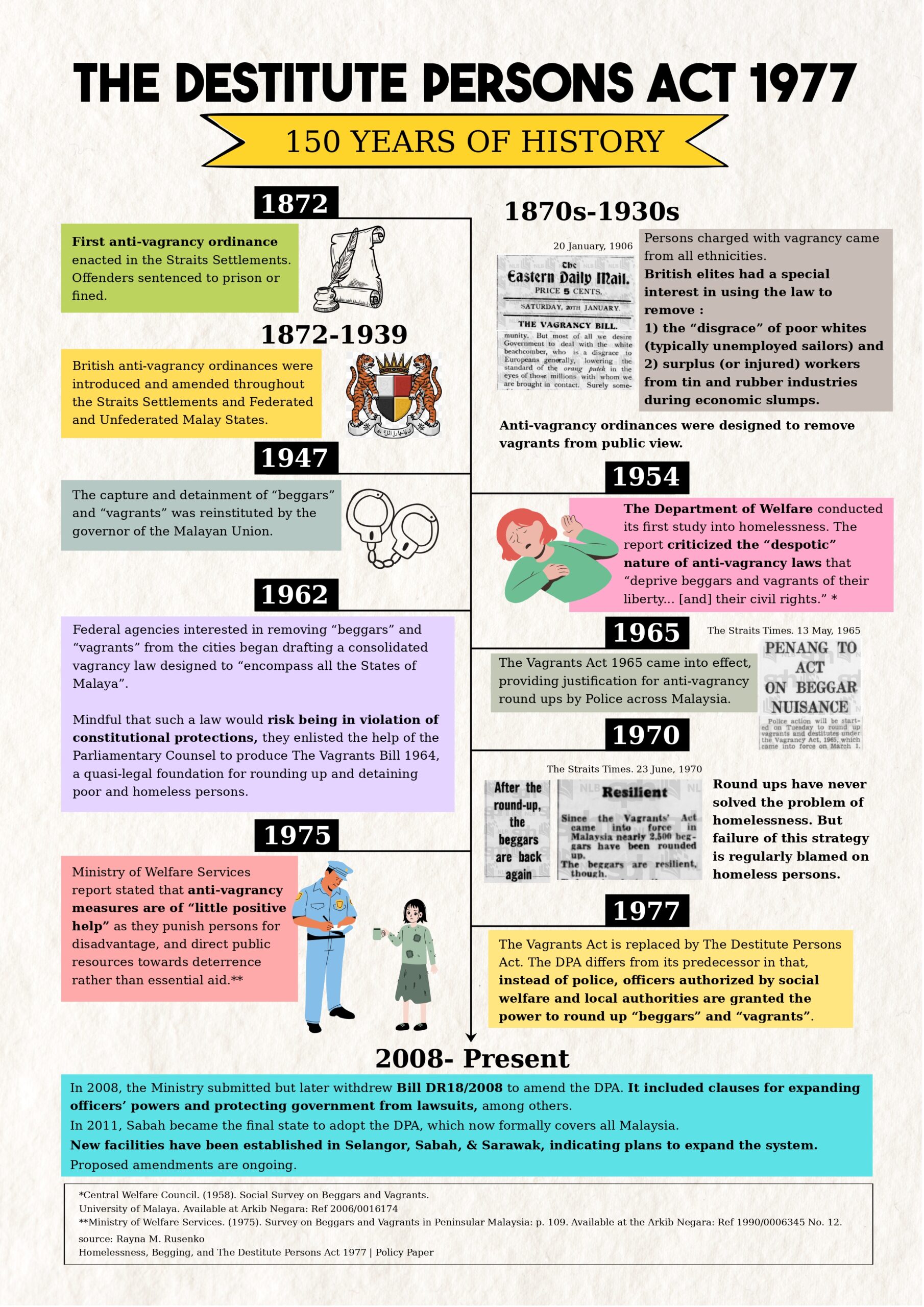
A truly comprehensive approach to address the causes of poverty and injustice is vital. This will include advocating for policy change at the relevant national and international levels – affecting change at the relevant levels is imperative in the efforts to effectively address long standing systemic and structural causes of poverty and injustice.
采取真正全面的措施来解决贫困和不公正的根源至关重要。这将包括倡导相关国家和国际层面的政策变革——在相关层面影响变革对于有效解决贫困和不公正的长期系统性和结构性根源至关重要。
[dflip id=”17392″ type=”thumb”][/dflip]
Section 3
I Am Homeless 我无家可归
Story of a homeless person 一个无家可归者的故事
English:
中文:
My name is Tingal Anak Undi, I am from Iban descent. I am an only son, and my parents are advanced in age. My parents are not close with other Iban communities as they are a bit different from them. We are a small family that does not have many relatives.
Upon completion of SPM, I moved to Simanggang to work as a lorry driver. It was there that I met a woman, Ida, who was selling fruits in the market. We were married after seeing each other for about a year. In the following years, my mother passed away and I had felt less of a reason to go back home as I did not have a close relationship with my father.
My wife and I were blessed with a little baby girl. One night when our daughter was two years old, we were out as a family together with some of my work friends. I got drunk and on our way home, we met with an accident and my wife and daughter passed away. I lost my driving licence and also my job.
I could not cope with the weight of all these losses. It felt as if I had lost everything. I travelled to Kuala Lumpur to get away from my hometown and hide all the brokenness that overwhelmed me. I finished my savings on accommodation and alcohol. I drank a lot to help me drown my sorrows; the intoxication eased my pain. I started wandering around the streets and was in a state of depression, even though I did realise it.
I got myself into a vice on the streets by lending my IC out for illegal activity purposes and was paid in the process – I needed the money so I could get my fix of drugs. I was constantly overwhelmed by guilt and hopelessness, and I made even more mistakes. I got into a street fight and was taken by the police, ending me in prison for the second time (the first time was in the aftermath of the accident involving my wife and daughter).
This dampened my mental condition and upon release, I went straight back to the street and started using drugs again not long after. It was initially offered to me by another addict and later on, I also started trafficking and received more drugs as payment, which was I desperate for in my addiction. I often ended up in prison due to being stopped by the police on the streets and major street operations conducted by the government agency called Operasi Bersepadu – they usually consisted of AADK, Police, DBKL, JKM and sometimes, immigration officers. I would often lose my belongings whenever I tried to run and avoid being stopped and taken into custody by the authorities.
I felt bad that my life was never going to turn out right. I began to reach out to people who once told me that they could refer me to a drug rehabilitation centre. Finally, I felt some hope that maybe, just maybe, I am still not beyond recovery. I made an appointment to wait for them to take me for an interview at the rehabilitation centre. I couldn’t sleep and wondered will this time be my new beginning. I put up a night at the bus station near Pudu where I was told to wait and that I would be picked up the next morning… and then this happened:
“Tuan, apa khabar? Tuan. Tak leh saya tunggu kawan je…”. I was once again stopped by the police and was taken into custody, and waited to be charged with drug use. At that point, I thought “God has given up on me. Maybe, I am of no use and the streets is where I should be. This is to be my life.”
….
I have been homeless for years now – I am either in prison or somewhere along the streets of KL – I am in the busy streets of KL or alone under the bridge beside the Klang River. I hear voices talking to me and sometimes, I can even see my family. I have to carry all the belongings I saved up for my girl or boy… Eh, where is my IC, my birth certificate? Oh ya, it is with the Pegawai who tried to catch me last night.. Thank God my family photos are with me. Right? Right? Let me find it…
What time is it now? Oh.. the vegetarian group is coming to Bangkok Bank to give out food. I need to go there, perhaps they will give me painkillers for my injury. I constantly move around to line up for food distributed by NGOs and religious groups. Some of them like to take pictures of them giving us street people food and post it on their social media. Some are kind to me and even talk to me and try to be my friend but the friendship doesn’t last long, because most of them can’t really help me and they don’t truly care or know how to. I tell them stories and they then tell me to do this or do that.
Where should I go next? Who will really care?
Kindly note: Names and details have been changed to protect the identities involved
我叫 丁加尔·安纳克·温迪 (Tingal Anak Undi),是伊班人后裔。我是独子,父母也老了。我的父母与其他伊班族社区关系并不密切,因为他们与其他伊班族社区有些不同。我们是一个小家庭,没有很多亲戚。
完成SPM后,我搬到成邦江担任货车司机。就在那里,我遇到了一位女子,艾达,她是在市场上卖水果的。我们认识大约一年后就结婚了。几年里后,我的母亲去世了,之后我更加没有回家的理由了,因为我和父亲的关系并不亲密。
我和我的妻子很幸运地拥有了一个女儿。当我们女儿两岁的时候,有一天晚上,我们一家人和我的一些工作朋友一起出去。我喝醉了,在我开车回家的路上,我们遇到了意外,我的妻子和女儿去世了。我失去了驾驶执照,也失去了工作。
我无法承受痛失所有的沉重压力。感觉好像我失去了一切。我前往吉隆坡是为了远离家乡,隐藏所有我感到破碎的压迫感。我用完了我的积蓄在住宿和酒。我喝了很多酒来缓解悲伤;酒醉减轻了我的痛苦。我开始在街上闲逛,并处于一种沮丧的状态,尽管我确实意识到了这一点。
我因出借身份证的街头恶习卷进了非法活动,并在此过程中获得了报酬——我需要这笔钱,这样我才能获得毒品。我不断地被愧疚和绝望所压倒,犯了更多的错误。我陷入街头斗殴并被警察带走,第二次入狱(第一次是在我妻子和女儿发生车祸后)。
这使我的精神状态受到了影响,出狱后我就直接回到街上,不久又开始吸毒。它最初是由另一位瘾君子提供给我的,后来我也开始贩卖并只收到更多毒品作为报酬,反正这也是我毒瘾中所渴望的。我经常因为在街上被警察拦截而入狱,以及由名为 Operasi Bersepadu 的多政府部门合力进行的街道取缔行动——他们通常由 AADK、警察、DBKL、JKM 组成,有时还有移民官员。每当我试图逃跑以避免被当局拦截和拘留时,我常常会丢失我的物品。
我感到很难过,因为我的生活永远不会好转。我开始联系那些曾经告诉我可以将我介绍到戒毒中心的人。最后,我感到一丝希望,也许,只是也许,我可能仍然有恢复的机会。我预约了去戒毒中心等他们带我去面试。我无法入睡,心想这一次会不会是我新的开始。我在富都附近的巴士站住了一晚,他们告诉我在那里等,第二天早上就会来接我……然后就发生了这样的事情:
“Tuan,apa khabar?Tuan。 Tak leh saya tunggu kawan je…”。我再次被警察拦住并拘留,等待指控吸毒。那时我想:“上帝已经放弃了我。也许,我没有什么用处,街道才是我应该去的地方。这就是我的人生。”
……
我已经无家可归多年了——我要么在监狱里,要么在吉隆坡街道上的某个地方——我在吉隆坡繁忙的街道上,或者独自在巴生河边的桥下。我听到有人对我说话,有时我什至可以看到我的家人。我必须携带我为我的女孩或男孩攒下的所有物品……呃,我的身份证、我的出生证明在哪里?哦,哦,是的,是在昨晚试图抓住我的 Pekawai 那里。感谢上帝,我的家庭照片还在我身边。是吗?对吗?让我找找我的 bag…
现在几点了?哦..分派素食的团体要来 Bangkok Bank 银行发食物了。我需要去那里,也许他们会给我止痛药来缓解我的伤痛。我经常四处走动,排队领取非政府组织和宗教团体分发的食物。他们中的一些人喜欢拍下我们街头流浪汉领取食物的照片,并将其发布到他们的社交媒体上。有些人对我很好,甚至和我说话,试图成为我的朋友,但这种友谊不会持续多久,因为他们中的大多数人不能真正帮助我,他们并不真正关心或者不知道如何帮助我。我给他们讲故事,然后他们告诉我要这样做或那样做。
接下来我应该去哪里?谁会真正关心?
请注意:姓名和详细信息已更改,以保护所涉及的身份
Section 4
The Response of Society to Homelessness in Malaysia: A Call to Action
社会对马来西亚无家可归者的反应:行动呼吁
English:
中文:
Homelessness in Malaysia is a growing social concern, one that requires a multifaceted response from society. It is not merely a matter of lacking food and shelter, but a complex web of issues including poverty, unemployment, mental health, and family breakdowns. As Malaysians, it is our collective responsibility to address this issue with compassion and proactive efforts. Whilst we may not be able to solve the issue of homelessness overnight, each of us can contribute towards making a significant impact. Here are some ways:
马来西亚无家可归现象是一个日益严重的社会问题,需要社会多方面的回应。这不仅仅是一个缺乏住所的问题,而是一个复杂的问题网络,包括贫困、失业、心理健康和家庭破裂。作为马来西亚人,我们有共同的责任以同情心和积极努力解决这个问题。虽然我们可能无法在一夜之间解决无家可归问题,但我们每个人都可以为产生重大影响做出贡献。以下是一些方法。
Click the tiles below to learn how you can contribute:
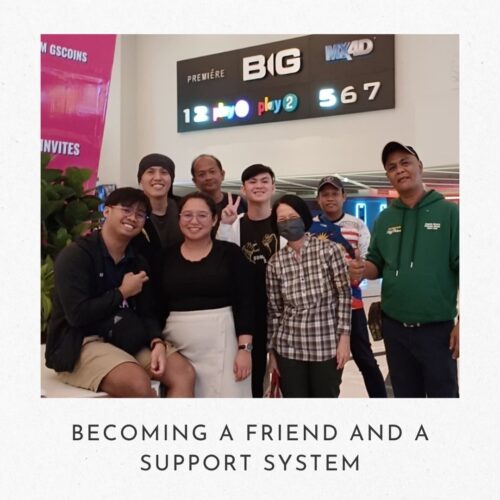
Becoming a Friend and a Support System
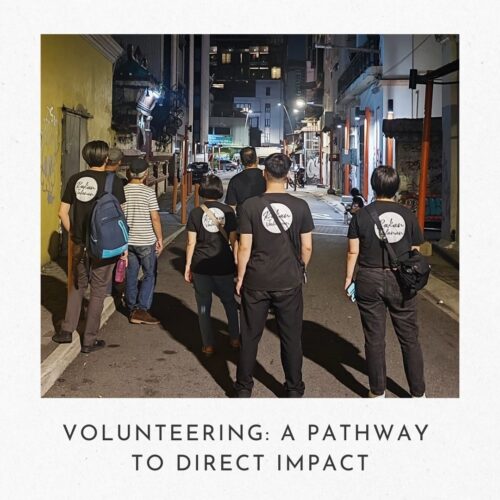
Volunteering: A Pathway to Direct Impact
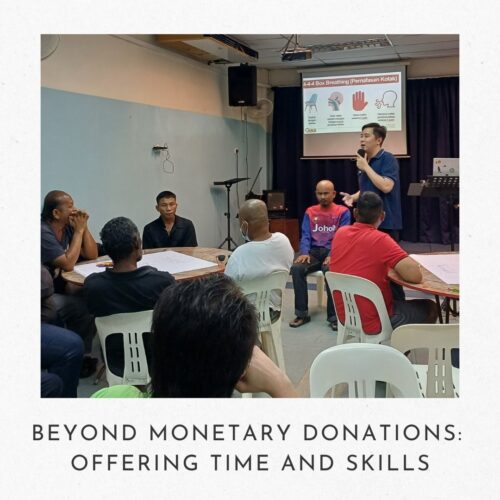
Beyond Monetary Donations: Offering Time and Skills
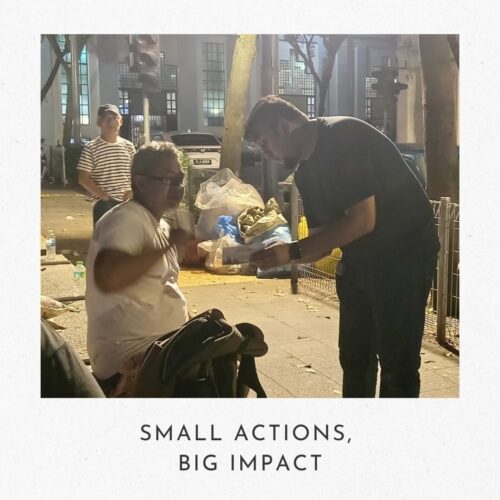
Small Actions, Big Impact
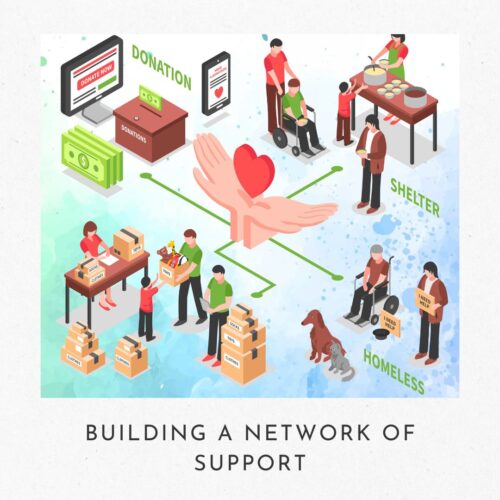
Building a Network of Support
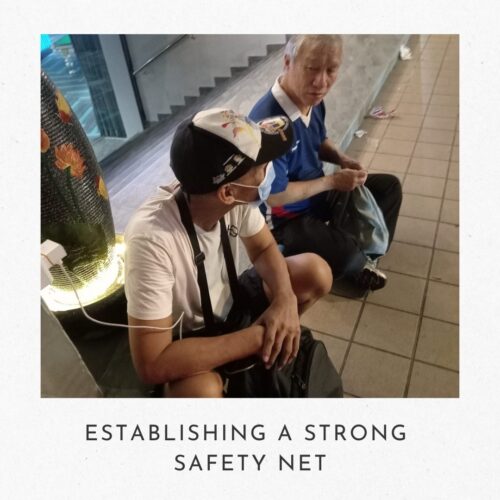
Establishing a Strong Safety Net
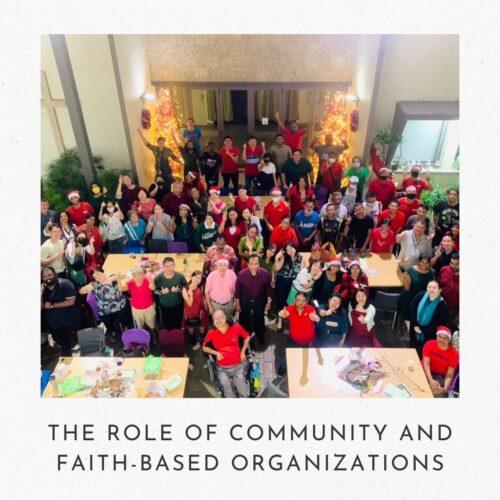
The Role of Community and Faith-Based Organisations
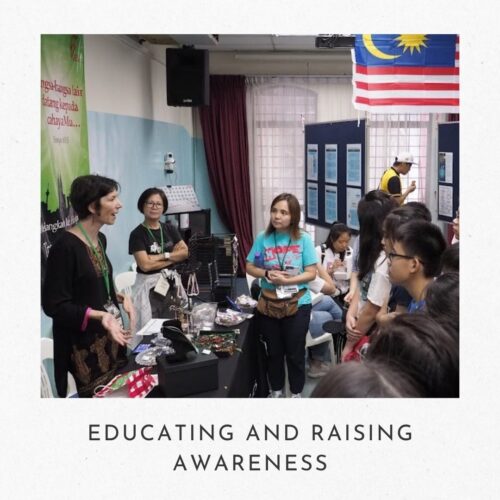
Educating and Raising Awareness
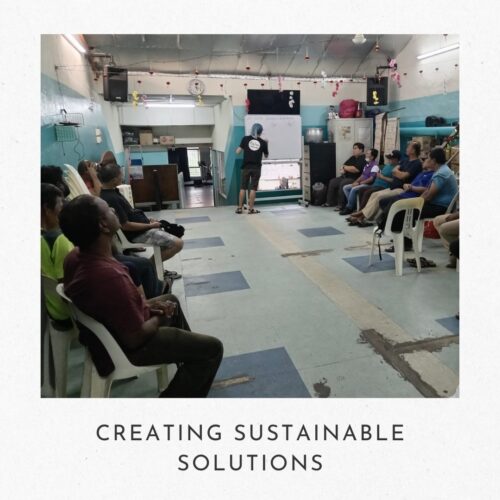
Creating Sustainable Solutions
Conclusion: We Can All Make a Difference
结论:我们都能有所作为
While we cannot do everything, we can all do something. Each small act of kindness, each hour of volunteer work, and each effort to raise awareness go a very long way and contributes to a larger movement towards ending homelessness. By becoming friends with the homeless, offering our time and skills, and working together to build a strong safety net, we can make a REAL difference. Homelessness is not just a social issue; it is … a human issue. It requires empathy, action, and a collective commitment to ensure that no one is left behind.
Together, we can create a society where everyone is dignified – and has a place to call home.
虽然我们不能做所有的事情,但我们都能做点什么。每一个小小的善举、每一个小时的志愿工作以及每一次提高认识的努力都会产生深远的影响,并有助于结束无家可归现象。通过与无家可归者成为朋友、贡献我们的时间和技能,并共同努力建立强大的安全网,我们可以真正有所作为。无家可归不仅仅是一个社会问题,而是一个人类问题。它需要同理心、行动和集体承诺,以确保没有人被抛弃。
我们可以共同创造一个每个人都有尊严、有家可归的社会。